

A man in a hurry: Andy Burnham starts 'rewiring the state'

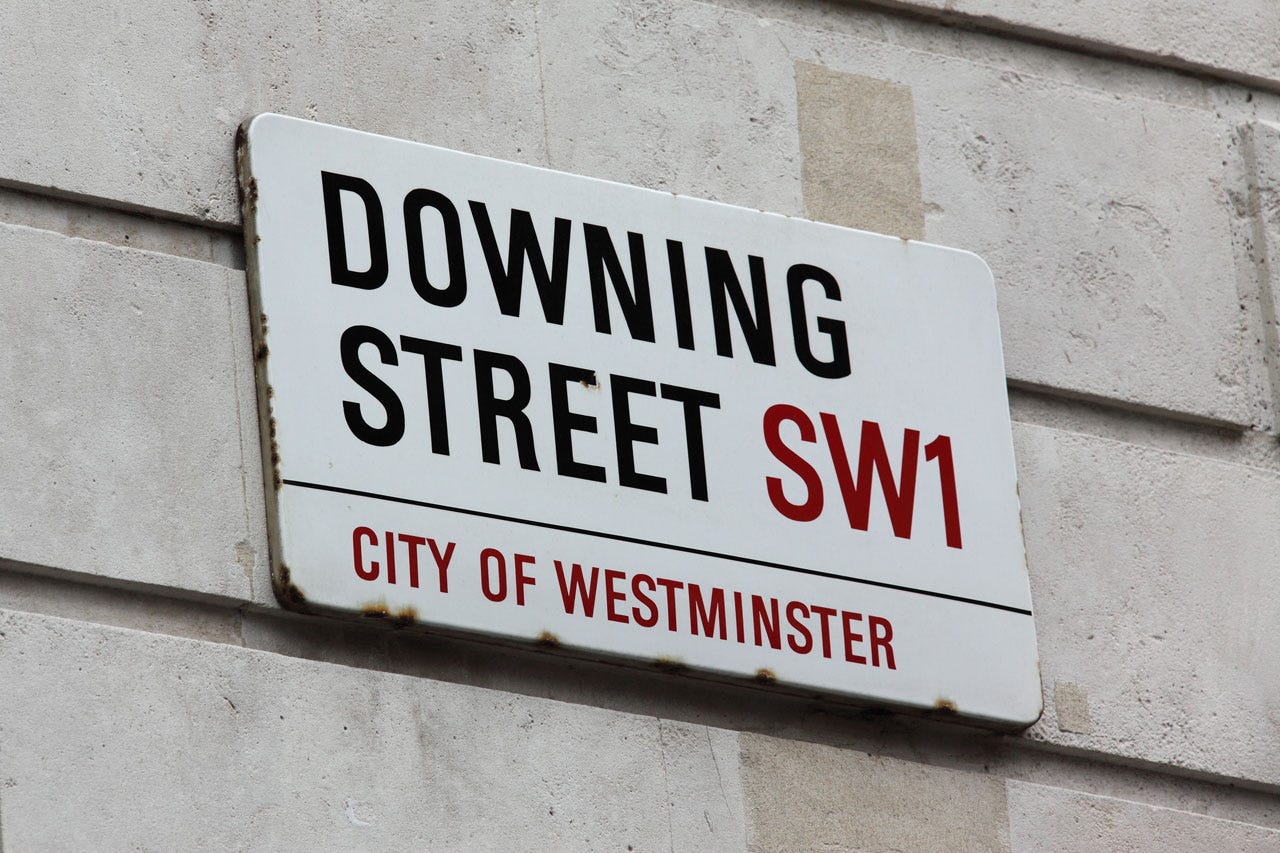
After a long wait, Andy Burnham is a man in a hurry. Within a day of having been to see the King, he’d delivered a (lectern-free) speech to the nation from Downing Street; appointed his new Cabinet; announced an ambition to end rough sleeping and action to give people ‘breathing space’ in their household finances; and begun to overhaul the machinery of government.
This sense of urgency is welcome, and necessary. Burnham assumes office with just three years left of this parliament to run, and with progressive politics in crisis. Reform UK has led in the polls for over a year, and while Nigel Farage’s grand gesture to call a by-election in Clacton looks like it may have backfired, the prospect of him becoming prime minister before the end of the decade cannot be discounted. It’s becoming existential now: this administration needs to show the good that government can do, and fast.
In that context, the new prime minister’s equal emphasis in his first week between what his government will do and how it will do it is welcome. When time is tight and there’s a burning need to make tangible progress quickly, it’s easy to postpone changes to the operating system of government; to see them as a technocratic luxury that can wait for another day when things have calmed down. It’s to Burnham’s credit that he hasn’t done this. He understands that ‘fundamentally rewiring the state’, as he puts it, isn’t additional to delivering his political programme; it’s essential to it.
The most significant change is to what Burnham calls the ‘nerve centre’ of government. No.10 North, first trailed in his Manchester speech last month, will now be stood up as part of a new, standalone ‘Office of the Prime Minister and the Cabinet’, taking in both the original No.10 and its Manchester cousin, as well as those elements of the Cabinet Office which support the Prime Minister and Cabinet directly.
This is an excellent decision, and consistent with what we argued for last year in our ‘‘Transforming Downing Street’ report. Having spoken to over 100 experts, and guided by a steering group which included new No.10 Chief of Staff James Purnell, we concluded that the Prime Minister needed to reshape the centre of government to suit his or her needs: to have the right powers at hand, and enable the right mix of strategy, politics, policy and delivery - across both domestic and international agendas - as well as a first class private office function. There is still a lot of work to do to stand this new Office up effectively, but after years of ‘make do and mend’ approaches to the heart of the British state, it is hugely encouraging to see a prime minister take an intentional approach to the power he wields and how best to wield it.
Elsewhere there are still undoubtedly lots of questions to answer. The other big machinery of government change this week was the abolition of the Department of Science, Innovation and Technology (DSIT), its remains parcelled out between the Cabinet Office and the business and culture departments. Here it is harder to read the Prime Minister’s intentions, not least because technology - and specifically AI - has felt notably absent from his speeches so far. On Downing Street on Monday he talked passionately about what he felt had been lost over the last 40 years and so what he wants to regain: Britain’s industrial heritage, the pride and strength of its regions, the public sector’s sense of confidence, capability and control. But he spoke less about the way in which the world is fundamentally different today to how it was pre-Thatcher: geopolitically, environmentally, demographically and, yes, technologically. Burnham is an impressive communicator who understands the power of nostalgia, but as prime minister will need to combine that with how he thinks the country should face the future: what another great Labour son of the north might have called ‘traditional values in a modern setting’.
While change is in the air, we have some news of our own. Our founder and director Nathan Yeowell has been appointed to a role in the new administration, as Special Adviser to the Prime Minister on devolution, local government and Wales. We’re delighted for Nathan, and it’s testament to his talent and commitment that he’s been asked to go into government and help deliver one of its flagship agendas - and testament too, we hope, to the work of The Future Governance Forum over the three years since he set the organisation up.
It’s with great excitement that I take over the role of Executive Director from Nathan and get to lead the fantastic team of people we have here at FGF. This is a moment when our core mission - of transforming the state to renew the nation - is front and centre for the new government, and when the stakes for getting that right feel incredibly high. We’ll keep approaching that task with determination, with creativity, and with an openness to collaborate with anyone else who believes in the good that government can do, in rolling up their sleeves and getting things done. After all, there’s no time to waste.
Adam Terry, FGF Executive Director
In the media
This Spectator story refers to James Purnell and FGF’s Transforming Downing Street report ‘which recommended a beefed-up Prime Minister’s Department at the heart of Whitehall’
This Politics Home story talks about the ‘expert advisory group that helped guide a paper on how a new Downing Street department would work, published by the Future Governance Forum (FGF) in November last year.’
This Observer story talks about the work of FGF’s Transforming Downing Street report and how ‘Andy Burnham is planning a major shake up of Downing Street to create a powerful new executive department for the prime minister to develop policy and drive delivery across Whitehall.’
On the blog
Adam Terry wrote an article explaining why ‘Andy Burnham needs to make Downing Street work for him - and quickly’, and what steps he should take.
We launched our new Substack newsletter, ‘State and Nation’, with a piece about why ‘the future of progressive politics starts with a simple concept: nationhood’.
Chiara Ruggieri Mitchell wrote a very well timed article about ‘What the UK’s record-breaking heatwave reveals about governing in an age of climate crisis’.
Nathan Yeowell argued that ‘to renew the nation, the new Prime Minister must transform the state’, setting out FGF’s seven principles for good government first outlined in the inaugural Addison lecture at the beginning of June.
Newly published FGF report
Our ‘Rethinking Migration 01: The case for a new progressive deal with Europe’ report written by Beth Gardiner-Smith and Emily Graham was launched earlier in the month. The report calls on the Prime Minister to renew and expand the current pilot migration deal with France to allow the government to reduce dangerous small boat crossings and restore public trust in the asylum system.
Sorry but a lobbying piece on behalf of Big Tech, corporate donors and anything to do with Peter Mandelson's lobbying company are of no interest to most UK citizens. I think it's clear that if representative politics cannot truly represent the citizenship of the country then perhaps we must accept that (in the context of what's best for most people) anything proposed in these lobbying pieces is misinformation and the only way that things would improve is a system of direct democracy, at least for the 'big questions' like "should we outlaw manipulation of the political landscape by foreign and/or corporate interests?". Just my opinion.